Pack Light, Leave No Trace
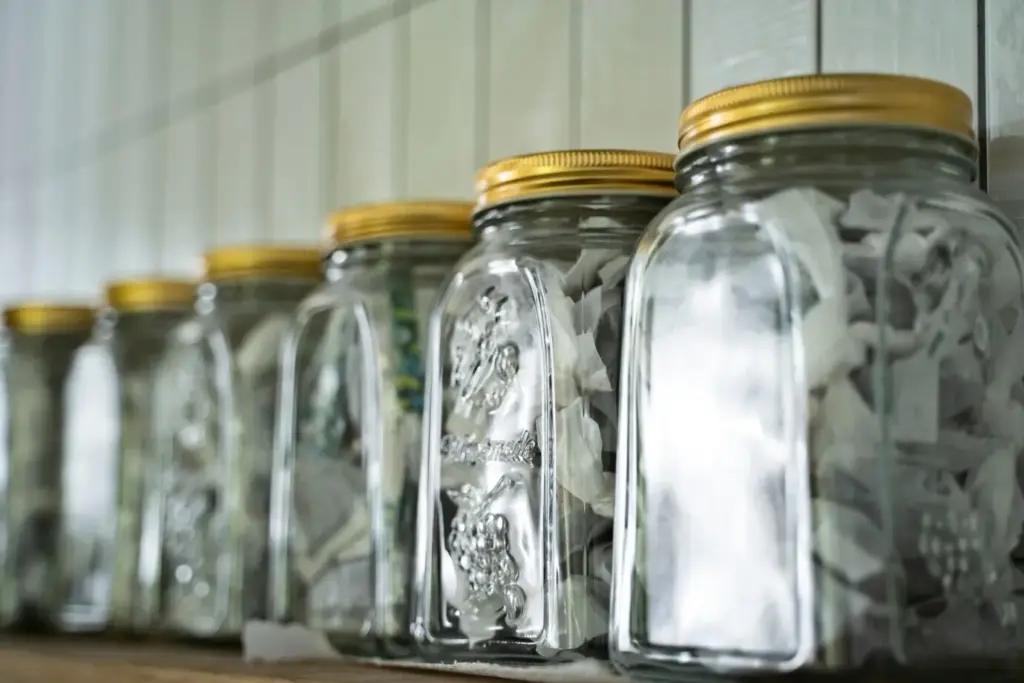

Today we explore Zero-Waste Travel: Packing and Planning with Refillable Gear, turning big intentions into practical habits you can carry in a single bag. Learn how to choose dependable containers, map refilling spots worldwide, adapt to different regulations, and keep comfort high while waste stays low. Expect honest tips, small experiments, and field-tested routines that protect your budget, your schedule, and the places you love to visit.

Plan With Purpose Before You Depart

A deliberate plan prevents surprise trash at the worst moments, like a rushed layover or a late-night check-in when shops are closed. Start by matching your route with places to refill water, toiletries, and snacks. Consider local tap water quality, cultural expectations, and security rules that affect liquid containers. This prep time pays back daily by saving money, avoiding stress, and letting you say yes to spontaneous experiences without compromising your low-waste intentions.

Build a Kit That Earns Its Space

Every item in your bag should replace multiple disposables, function across climates, and be easy to clean on the move. Favor leakproof lids, standardized sizes, and modular containers that nest or share caps. Choose durable materials that survive drops, temperature swings, and frequent washing. The goal is a tight kit that works every single day, from sunrise coffee to midnight arrivals, delivering comfort and savings while dramatically shrinking the trail of packaging you would otherwise leave behind.

Pack Smart: Ultralight Meets Reusable

You can be both minimal and prepared by choosing multipurpose items, compressible containers, and strong materials that resist smells and stains. Balance weight with durability: a slightly heavier, trustworthy bottle beats flimsy plastic that leaks under pressure. Use color coding or tactile markers to identify contents by feel. Keep quick-access items near the top of your daypack, and stash backups in checked luggage or a larger pouch. Smart placement prevents airport scrambles and mid-train spills.

Daily Habits on the Road

Sustainable routines thrive when they are effortless. Fill everything before leaving accommodations, schedule quick refill stops near scenic breaks, and build a ritual around evening cleanup. Say a friendly hello when requesting refills, show your container clearly, and offer to rinse it yourself. Keep a couple of local phrases ready to smooth interactions. With small, repeatable habits, your bag stays light, your schedule stays flexible, and you avoid the last-minute scramble that often leads to extra waste.

Hydration Without Plastic Everywhere

Start with a full bottle each morning, then top up whenever you pass fountains, cafes, or coworking spaces with dispensers. If tap water is questionable, use a filter bottle or tablets and wait the proper contact time. Keep a collapsible spare for hot days. Log refill-friendly spots in your map notes so you remember them later. By avoiding emergency purchases, you save money, cut plastic dramatically, and feel calmer knowing thirst is never an urgent, packaging-heavy problem.

Eating Out, Street Food, and Picnics

Carry your container and cup in a side pocket so vendors can see them easily. Order confidently, explain you have your own box, and smile when offering it open. Choose foods suited to your gear, like bowls, noodles, salads, and pastries. Picnic near refillable stations to wash quickly afterward. When etiquette is unclear, ask politely or accept house plates and eat in. These small adjustments preserve culinary spontaneity while protecting both your schedule and the places you are exploring.

Staying in Hotels, Hostels, and Homes

Upon arrival, locate communal kitchens, kettles, and any filtered water taps. Politely decline single-use toiletries at reception and leave unopened items for the next guest. Use your concentrated soap for dishes and laundry, and dry gear near ventilation to prevent odors. If housekeeping offers plastic-wrapped amenities, thank them and explain you brought your own. These gentle conversations build awareness without pressure, earning smiles and often helpful tips about nearby refill stations or markets you might otherwise miss.

Transport-Specific Strategies

Airports and Flights

Arrive with bottles empty and lids loosened for quick inspection, then refill post-security at fountains or lounges. Bring a dry snack in your container to avoid plastic-wrapped options onboard. Ask flight attendants to pour into your cup, not the tiny plastic one. For red-eyes, pack a tea bag and request hot water after takeoff. Wipe gear with a small cloth to keep everything dry. These steps reduce waste, prevent spills, and keep energy steady in recycled cabin air.

Trains, Ferries, and Buses

Trains often have refill taps or cafes; ferries may offer large dispensers; buses require efficient stops at stations. Keep a short list of reliable refill points and carry a solid lid that resists bumps. Use your cup for onboard coffee, and your container for market snacks between connections. Wipe surfaces before repacking in tight spaces. By syncing your refills with scheduled stops, you stay relaxed, well-fed, and waste-light without interrupting views or missing announcements in crowded carriages.

Road Trips, Rentals, and Rideshares

Stash a larger canteen or collapsible jug in the trunk and top up at supermarkets, campgrounds, or city refill stations. Keep a small bin for compostables and recyclables to avoid mess, and pack a dashboard kit with cup, napkin, and utensil. Choose drive-thru options that allow handoff of your container at the window, or park and walk in for clearer requests. With predictable refills and simple organization, even long drives become smooth, affordable, and remarkably low in disposable packaging.

When Refill Stations Are Scarce

Lean on concentrates, purification tablets, and solid formats to bridge gaps. Ask cafes politely for water while purchasing something small, and look for gyms, libraries, and coworking spaces that often have dispensers. In rural areas, carry an extra collapsible bottle for longer stretches. When you must buy packaged water, choose the largest container practical and decant to reduce total plastic. Record the location for future travelers and share an alternative if you find a better refill nearby later.

Balancing Safety, Culture, and Courtesy

Prioritize health by respecting local water advisories and handling food in clean containers only. Watch how locals order and accept guidance graciously. If a vendor declines your container, thank them and eat in on house plates. Keep a neutral, friendly tone when requesting refills and always offer to rinse your gear yourself. Cultural warmth opens doors, and your kindness becomes part of the journey, preserving relationships, comfort, and the planet you set out to protect with thoughtful packing choices.

Share Your Progress and Inspire Others

Tell a micro-story about the coffee you enjoyed without a disposable lid, the soup carried safely across a windy pier, or the airport refill that saved time and money. Post your tips, map pins, and photos of durable gear that outperformed expectations. Invite readers to comment with local refill finds, subscribe for seasonal packing updates, and join a checklist challenge that grows with each trip. Together, we normalize better habits and make low-waste travel the comfortable default.
Finorematikokutalili
Privacy Overview

This website uses cookies so that we can provide you with the best user experience possible. Cookie information is stored in your browser and performs functions such as recognising you when you return to our website and helping our team to understand which sections of the website you find most interesting and useful.